Acrylic
Paintable. Skirting, cornices, architraves and interior gaps.
01 — Caulking & sealing
The line where two surfaces meet. Done right, you never notice it. Done wrong, it is the first thing to fail.
What it is
Every building moves. Timber swells, render shrinks, slabs creep and glass grows in the sun. A sealant joint lets two surfaces move without cracking or letting water in. It is the smallest trade on site, and one of the most important.
We cut out failed sealant, clean and prime the joint, set the depth with backer rod, and tool every bead to a clean concave line. For homeowners, builders and commercial sites across Greater Sydney.
Anatomy of the finish
Where it works
Showers, baths, vanities and kitchens in mould-resistant silicone.
Skirting, cornices and architraves in paintable acrylic.
Window and door perimeters, cladding and expansion joints.
Fire-rated sealant to penetrations and joints in commercial builds.
Every joint we seal
From one bathroom to a basement car park. Every job gets a free, fixed quote.
Finishes
Drawn by the studio to show what each one is.
Paintable. Skirting, cornices, architraves and interior gaps.
Waterproof and flexible. Wet areas, glazing and kitchens.
Tough, paintable and UV-stable. Facades, windows and expansion joints.
Tested systems for penetrations and joints in fire-rated walls.
On the tools
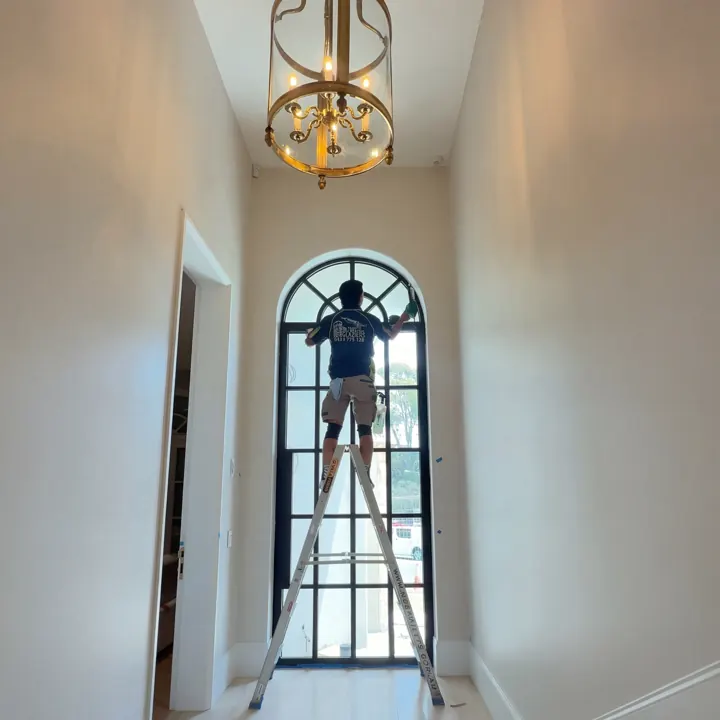
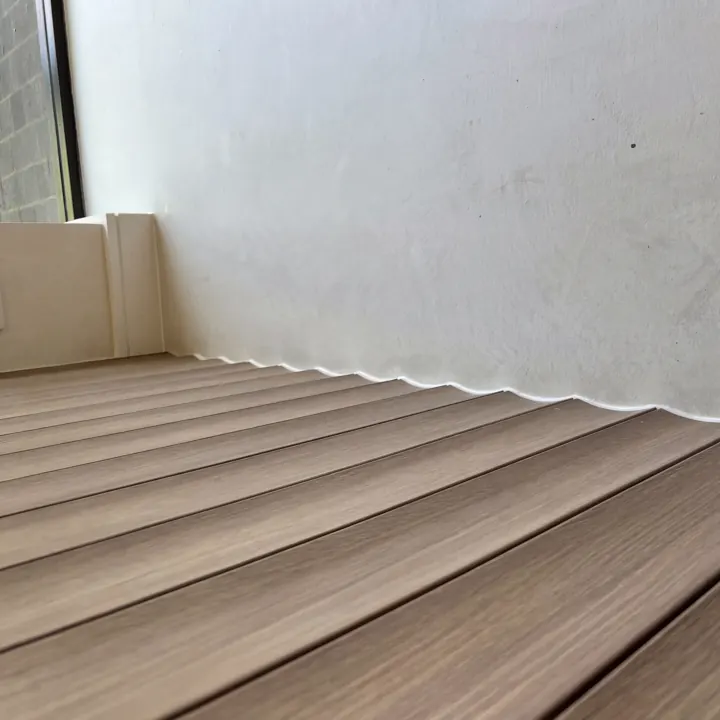
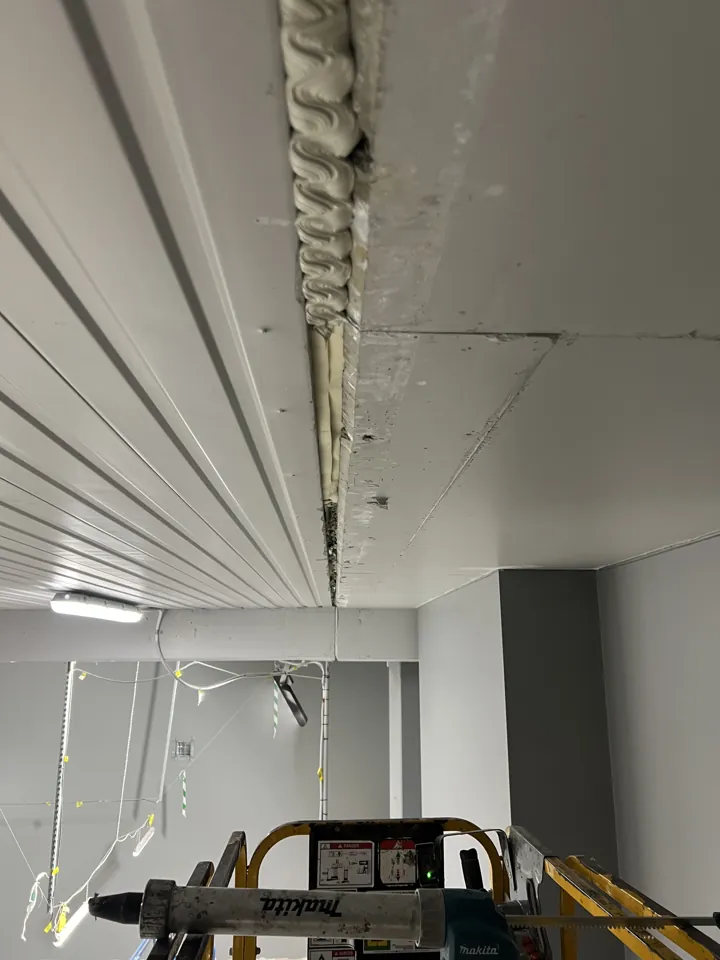
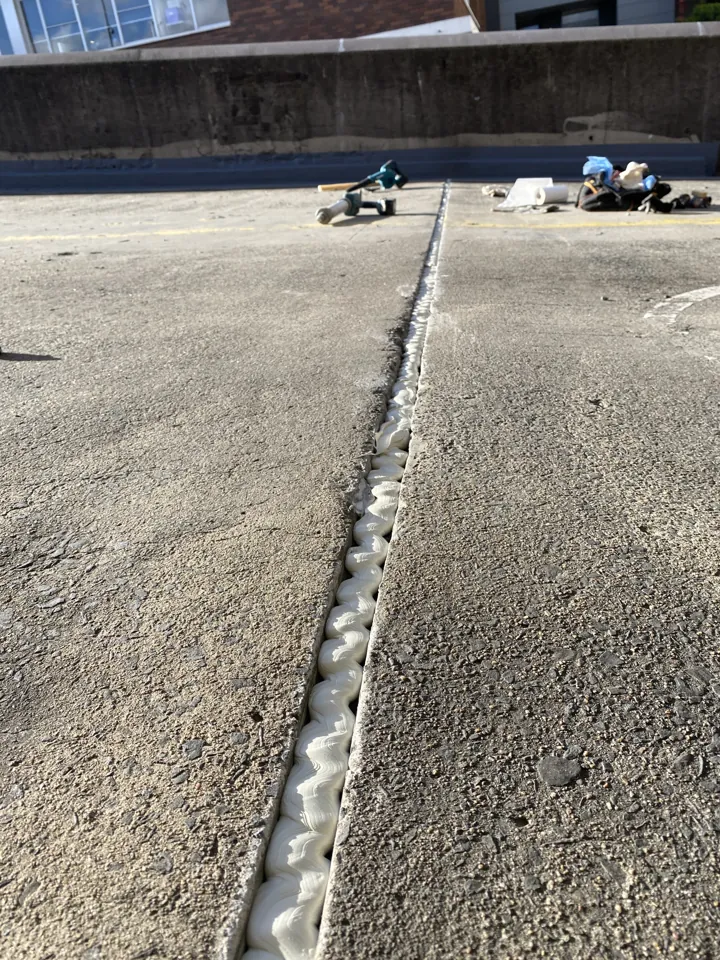
Our process
We read the surface before we quote: moisture, level, movement and light.
Moisture · level · movementGrind, patch, prime and mask. Most of a great finish is preparation nobody sees.
Prep ≈ half the jobBy hand. Every bead, every coat, every pass of the trowel.
Hand-appliedWe work to the product’s cure times and the day’s weather, not to a rushed deadline.
Temp · humidity · timeA walk-through, a care guide, and we come back if anything is not right.
Care guide includedFAQ
Acrylic is paintable and suits interior joints like skirting boards, cornices and architraves. Silicone is waterproof and flexible, so it is the right choice for bathrooms, kitchens and wet areas.
Good sealant usually lasts 5 to 15 years. Wet-area silicone may need refreshing every 5 to 7 years. Interior acrylic often lasts well over a decade.
Yes. We cut it out fully, clean and treat the joint, let it dry, then reseal. We never seal over old sealant.
Acrylic can be painted once it has cured, usually within a few hours. Silicone cannot be painted, which is why it is used where the seal itself is the finish.
It depends on the metres of joint, the joint size, access and the sealant. We give a free, fixed quote after we see the job.
Start a project